




Shire Farmers Market Guide: What to Buy Each Month
A month-by-month guide to what is actually in season at the Shire Farmers Market, with practical tips on how to shop each stall well.
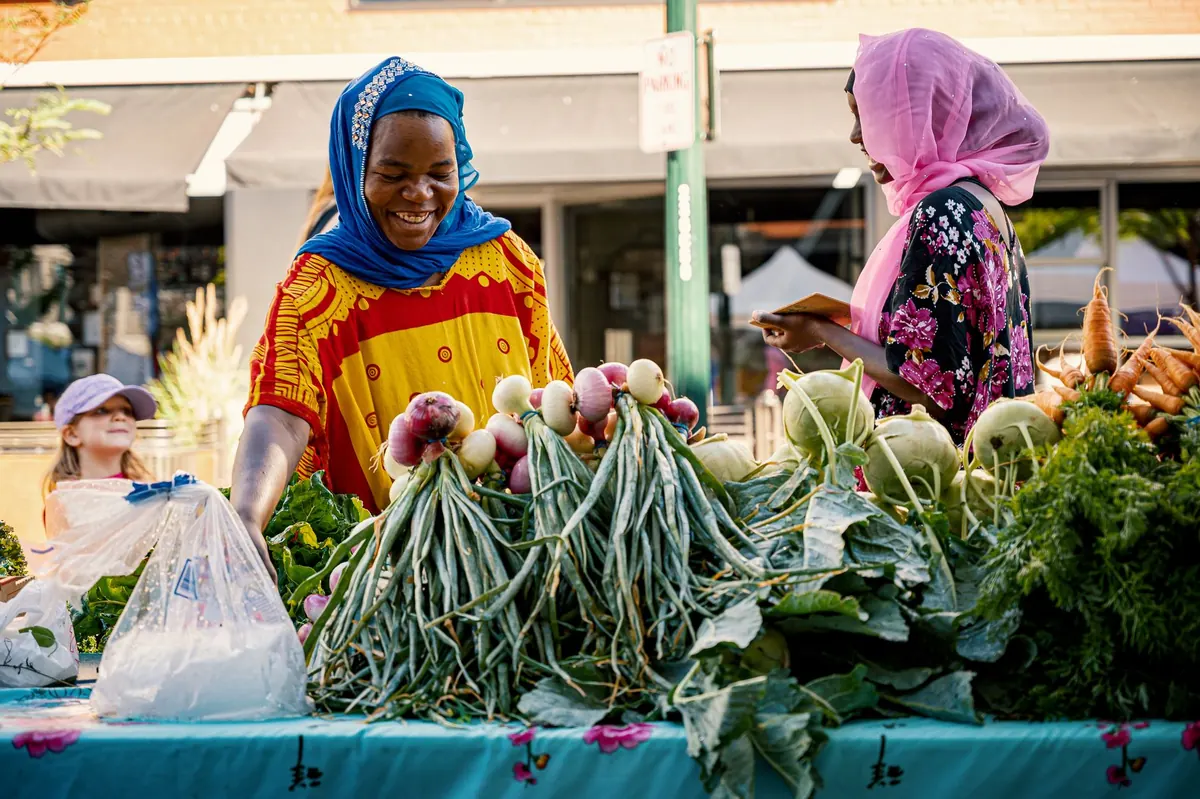
The Shire Farmers Market never looks quite the same two weeks running. In February the tables are a study in earth tones — knobbly celeriac, sacks of potatoes, jars of last summer's jam. By August the same stalls are groaning under tomatoes, sweetcorn and more courgettes than any household can reasonably eat. Knowing what is genuinely in season, and when, turns a pleasant Saturday wander into a proper weekly shop. Here is a month-by-month guide to what to look for, what to ask, and how to get the best from the stalls.
January and February: Roots, Stores and the First Rhubarb
Winter at the market is honest about the season. Expect parsnips, carrots, leeks, celeriac, swede, beetroot, kale, winter cabbage and a good range of squash. Stored apples and pears hold up well, and the cheese, bread, egg, honey and preserve stalls do much of the heavy lifting.
Two things worth knowing. First, parsnips and sprouts lifted after a frost taste sweeter, so a cold snap is a reason to buy more, not less. Second, forced rhubarb usually appears from late January — slender, deep pink and far more delicate than the outdoor crop that follows. If you see it, buy it that week; the season is short.
Choose roots that feel heavy for their size and are firm all over, with no soft patches near the crown. Leeks should stand upright with crisp, dark green tops. Squash should feel dense and solid when you tap it.
March and April: Green Shoots and Garden Planning
This is the leanest stretch for fresh produce and, for that reason, one of the most interesting. Purple sprouting broccoli arrives, along with spring greens, spinach, watercress, radishes, early salad leaves and spring onions. Wild garlic shows up in March and April — a bag of leaves blitzed with olive oil and nuts makes a fine pesto for the freezer.
Asparagus may start in late April in a warm year, but do not plan a feast around it. Wait for the stallholder to tell you it has begun.
Do not skip the non-food stalls
Spring is when growers bring seedlings, seed potatoes, herb plants and compost. Buying a tray of lettuce seedlings here costs little and keeps cutting for weeks. Tool sharpening and repair stalls also tend to appear now, so bring the secateurs that have been annoying you since autumn.
May and June: Asparagus, Peas and Strawberries
Asparagus is the headline act and its season is short, so buy it weekly rather than in one grand gesture. Look for tightly closed tips and squeaky-fresh stems. Broad beans, garden peas, new potatoes, lettuce and soft herbs follow quickly.
Peas and sweetcorn lose sweetness within hours of picking. This is the market's real advantage over a supermarket chiller, so buy them loose and cook them the same day. Strawberries and gooseberries arrive in June, along with elderflower for cordial, and the first cherries if the weather has been kind.
July and August: The Full Glut
Everything at once. Tomatoes in a dozen shapes and colours, courgettes and their flowers, French and runner beans, cucumbers, aubergines, peppers, chillies, sweetcorn, stone fruit, berries and the new season's garlic and onions.
Ask which tomato varieties are best for sauce. Buy a large tray of the ripest, cheapest ones at the end of the day, cook them down with onion and herbs, and freeze in portions. Do the same with courgettes, grated and squeezed, for winter soups and fritters. Soft fruit freezes well on a tray before bagging, so the berries stay separate.
September and October: Apples, Squash and Mushrooms
The market shifts again. Apples and pears take over, with plums, damsons and blackberries alongside. Squash and pumpkins pile up, sweetcorn has its last few weeks, and tomatoes are still heavy and cheap. Quince appears for anyone willing to be patient with it.
Mushrooms deserve a word of caution. Buy cultivated varieties freely, and buy wild ones only from a seller who can name them confidently. Do not pick and eat wild mushrooms on your own judgement.
November and December: Brassicas, Chestnuts and Gifts
Brussels sprouts arrive on the stalk, which keeps them fresh far longer than a loose bag. Cabbage, kale, leeks, parsnips, carrots, celeriac and squash return, and stored apples sit alongside chestnuts. The stall mix widens too: chutneys, dried herbs, honey, cheese, cured meats, wreaths, pottery and hampers.
If you are buying gifts, go early in the month. The best preserves and the more unusual cheeses do not last until Christmas week, and stallholders appreciate a conversation about what travels well.
How to Shop the Market Well
A few habits make a real difference, whatever the month.
- Carry cash and small change. Many stalls now take cards, but not all, and a queue forms fastest at the ones that do not.
- Bring sturdy bags and a cool bag. Reusable crates or a basket protect soft fruit better than a thin carrier bag.
- Go early for choice, late for value. Mid-morning is the sweet spot for both.
- Ask what is at its peak. "What is best this week?" is the single most useful question at any stall.
- Buy a little extra to preserve. A glut is cheap; a freezer is patient.
- Return to the same stalls. Regulars get the honest answer about what to avoid this week.
Plan a Month, Shop a Week
Rather than deciding in advance what you want, walk the market once before buying anything. Note what is plentiful and what is nearly gone, then plan two or three meals around the best of it and fill in the rest. Keep a rough list of what is coming next month — rhubarb after the frosts, asparagus in May, apples in September — so you are ready when it lands.
Then go home and cook something simple with it. That is the whole point of a market, and the reason the same stalls keep earning their pitches week after week.
Photo: Brett Sayles / Pexels