


Following Shire Sports: A Beginner's Guide to Local Fixtures
A plain guide to local sport: how leagues and divisions work, how to read a fixture list, what to expect at the gate, and which fixtures are worth planning your week around.
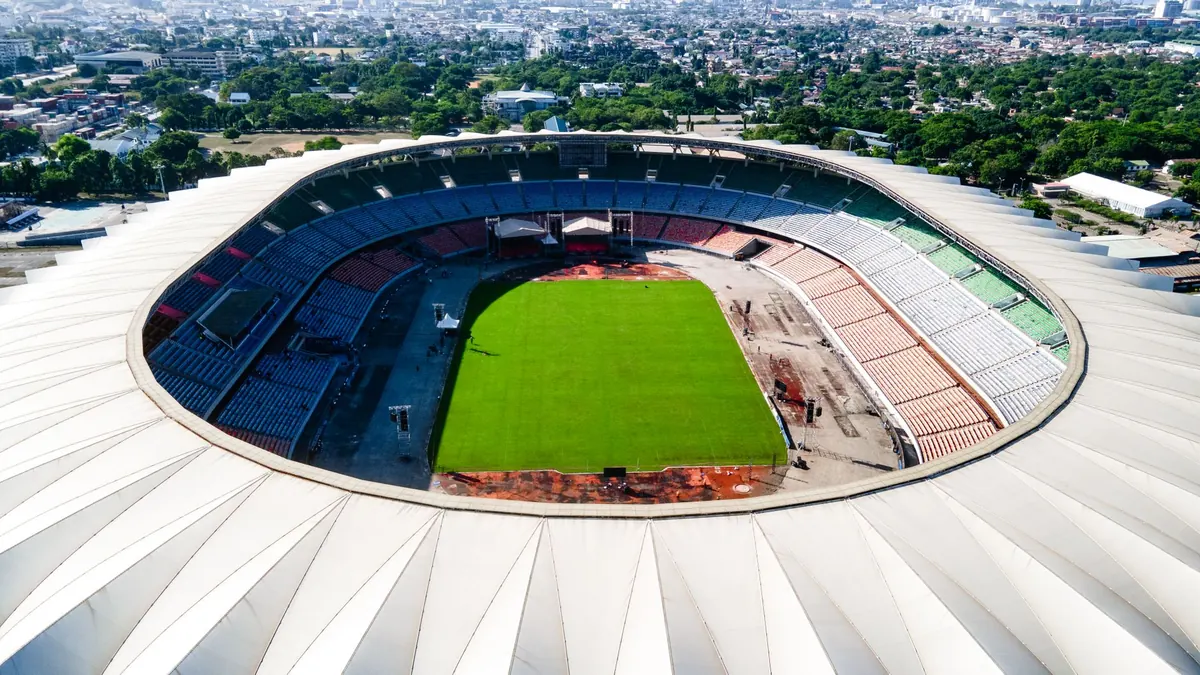
Local sport rarely shouts for attention. It happens on a Saturday morning behind the leisure centre, on a Tuesday evening under floodlights at the recreation ground, on a cricket square at the end of a lane that floods every spring. If you have just moved to the area, or simply decided it is time to find out what the town does at weekends, the fixtures already exist and nobody will stop you turning up. The trick is knowing what you are looking at.
The shape of a local season
Almost every local sport is organised the same way. Clubs are grouped into leagues, leagues are split into divisions, and the divisions are ordered by standard. Your town's first team might play in the top division of a county league; the reserves, the thirds and the veterans' side play lower down. One club can easily have four or five fixtures in the same weekend, at different grounds and different start times.
Seasons follow the weather. Football, rugby and hockey run from late summer into spring. Cricket takes over from April and runs to September. Bowls, netball and basketball sit in between, indoors or out depending on the club. Knowing which season you are in tells you half of what you need before you leave the house.
Promotion and relegation keep it interesting. A strong finish in March can lift a side into the division above, which means new opponents, longer journeys and a better standard of play. A poor run does the opposite. Cup competitions cut across the league at intervals, and a knockout tie against a team you would never otherwise meet is where a lot of the best afternoons come from.
Reading a fixture list without guessing
Fixture lists look cryptic until you know the shorthand. Most are printed a season at a time, then patched with changes: waterlogged pitches, cup runs and opposing clubs short of players all move games at short notice. Check again on the morning of the match.
The words you will see
- Home and away. Home means the game is at your club's own ground. Away means a trip to theirs.
- Firsts, seconds, thirds. Different teams from the same club, usually in different divisions. A seconds fixture is often a better introduction than the first team: smaller crowd, same atmosphere, easier parking.
- League and cup. League games count towards the table. Cup games are knockout; lose and you are out.
- Friendly. Pre-season or midweek practice matches. Relaxed, inexpensive, and a good way to learn the ground.
- Postponed, rearranged, abandoned. Called off, moved to a new date, or stopped partway through, usually because of weather. The club noticeboard or social page will carry the new date.
- Kick-off, start, or toss. Some sports begin at a stated time with a coin toss, so arriving twenty minutes early is not early at all.
Getting in: tickets, turnstiles and the tea hut
One of the quiet pleasures of local sport is that admission is rarely complicated. Most clubs charge a modest amount on the gate, with a reduced rate for children, students and older spectators, and many now take card as well as cash. Carrying a little cash is still sensible for the tea hut, the raffle and the programme.
Season tickets and club memberships exist and are usually good value if you plan to go regularly. They also put money into the club at the point in the year when it is most useful. Ask at the gate or in the clubhouse; nobody will mind the question.
A few habits make a first visit easier:
- Arrive twenty to thirty minutes before the start. Parking fills fast at grounds with one small car park.
- Check whether the ground has a bar, a tea hut or nothing at all. Some rural venues are a pitch and a shed.
- Bring a folding chair or a waterproof if the forecast is mixed. Cover is not guaranteed.
- Stand or sit where you like. There is rarely allocated seating, and nobody will move you on.
Rivalries: the games that matter
Every town has one fixture it circles. Sometimes the rivalry is geographic: the next village along, or the other half of the borough. Sometimes it is historical, going back to a cup tie nobody alive remembers but everyone has been told about. Whatever the origin, the crowd for a derby can be two or three times the usual size.
Derby days are excellent value and entirely safe, provided you use ordinary sense. Keep the banter good-natured. Do not wear club colours into the wrong clubhouse. If you are driving, arrive earlier than you think you need to; if you are walking, expect the pavements near the ground to be busy afterwards.
Local rivalries are fierce for ninety minutes and neighbourly by the time the bar closes. Follow the crowd's lead and you will be fine.
Away days and midweek matches
Following a team away from home is where local sport gets genuinely enjoyable. Distances are short, often twenty minutes by car, but the grounds are unfamiliar, the tea is different, and the result matters more because you travelled for it.
Two things to check before any away trip. First, the venue: reserve and youth teams sometimes play at a training ground rather than the main one. Second, the time. Midweek fixtures under floodlights often start earlier or later than weekend games, and if the match goes to extra time you will be driving home late. Share lifts where you can, and let someone know when you expect to be back.
Keeping up between fixtures
You do not need an app to follow a local club. Most of what you need is already public:
- The club's noticeboard, website or social page, which carries team news and late changes.
- The league's fixtures and results pages, which show tables, form and who plays whom next.
- The clubhouse, where somebody always knows why the centre-half is missing.
- Local coverage: results round-ups, match reports and photographs from the weekend.
If you would rather be useful than just a spectator, clubs are almost always short of people to run the line, score, sell raffle tickets or make tea. That is the fastest route from newcomer to regular.
Your first match: a simple plan
- Pick a Saturday fixture for the first team or the seconds. Home games are easier.
- Confirm the venue and start time a day ahead, and check again on the morning for postponements.
- Arrive half an hour early, pay at the gate, buy a programme.
- Watch a full half from one end, then switch ends at the interval to see the game from both sides.
- Stay for a drink afterwards. This is where you learn the club.
- Put the next home fixture in the diary before you leave.
Local sport rewards the people who come back. One visit is a curiosity. Three visits and the players nod at you, the gate volunteer remembers your name, and a Saturday without a match starts to feel oddly empty.
Photo: Alex Levis / Pexels