


New Shire Recycling Rules: What Goes in Which Bin
The Shire's kerbside recycling rules are tightening from next month, with stricter sorting at the bin and tougher limits on contamination. Here's what goes where, and the...
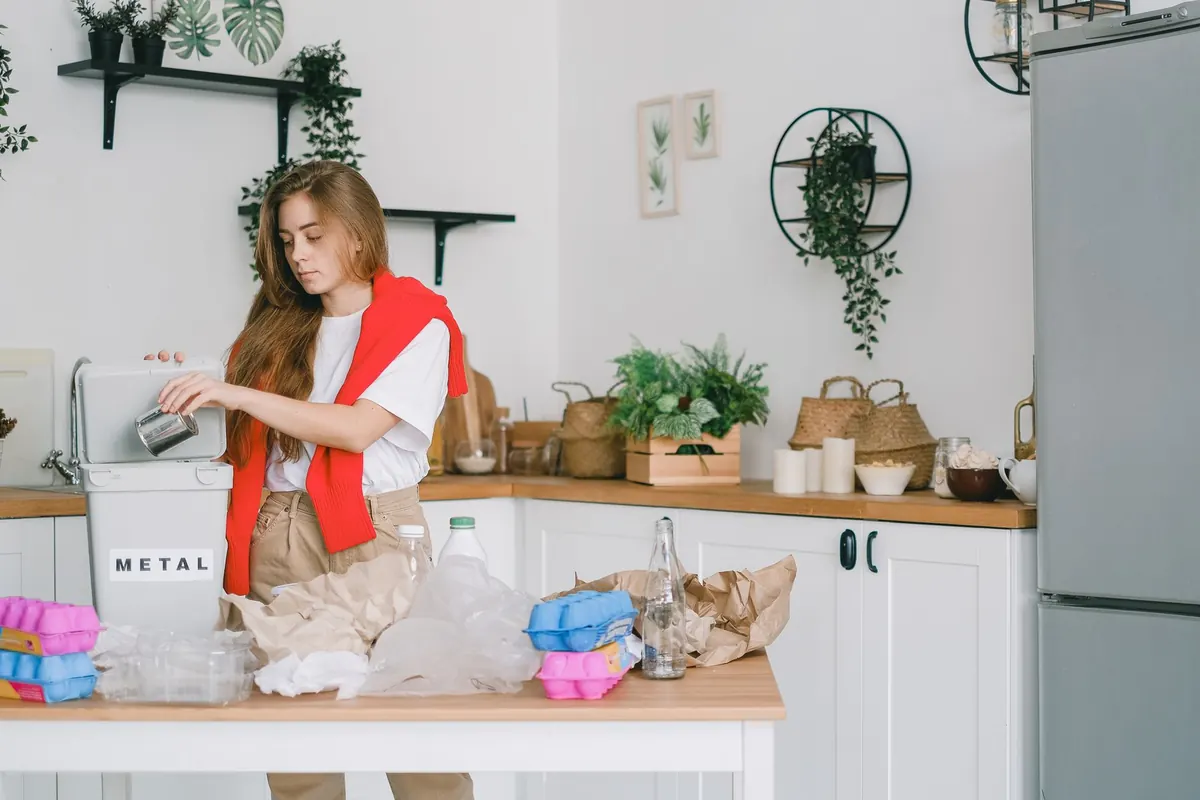
The yellow bin has been doing a lot of heavy lifting around the Shire, and not all of it willingly. Bottles, pizza boxes, broken toys, the occasional bag of nappies. It all goes in, the lid goes down, and most of us feel vaguely virtuous until the truck arrives.
That casual approach is coming to an end. From the first collection cycle next month, the Shire moves to a stricter kerbside system. Households keep the same bins, but the rules about what belongs in each one are tighter, and loads with too much of the wrong material can be rejected and sent to landfill instead of being processed.
The good news: none of it is difficult once you understand the logic behind it. Sorting is not about being perfect. It is about keeping the wrong things out.
What the new rules actually change
Two things, mainly.
First, separation is now enforced at the kerb. Collection crews and facility staff check loads more closely than they used to, and heavily contaminated recycling is treated as general waste. That is the part worth taking seriously. One bin stuffed with soft plastics and bagged rubbish can drag down everything collected alongside it.
Second, food and garden waste is now a proper stream rather than an afterthought. If your green bin has been sitting empty because it felt like extra work, this is the year to start using it. It is the single easiest way to cut what your household sends to landfill, and it takes about as long as scraping a plate.
One bin at a time
Yellow lid: recycling
Keep it clean, keep it loose, keep it to the list.
- Paper and cardboard, flattened so it fits
- Rigid plastic containers from the kitchen, bathroom and laundry, rinsed
- Steel and aluminium cans and tins
- Foil, scrunched into a ball about the size of a golf ball so it doesn't slip through sorting
- Glass bottles and jars, empty and loose
What stays out: soft plastics and plastic bags, bagged recycling of any kind, shredded paper, polystyrene, coffee cups, drinking glasses, Pyrex, mirrors, window glass, batteries, vapes and anything electronic.
Green lid: food and garden organics
Fruit and vegetable scraps, tea leaves and coffee grounds, eggshells, stale bread, lawn clippings, leaves, prunings and flowers. Meat, dairy and cooked leftovers are accepted in most green bin systems, but check the Shire's guide if you are unsure, and never wrap them in plastic first.
Keep out the things that don't break down or that ruin the compost: plastic bags (including the ones labelled compostable, unless your area specifically accepts them), kitty litter, treated timber, rocks and large amounts of soil.
Red lid: general waste
Everything that has nowhere better to go. Soft plastics, nappies, polystyrene, broken crockery, hygiene waste, textiles too worn to donate. Bag this bin so nothing blows out on a windy collection day.
The mistakes that cost us the most
- Bagging your recycling. Bags cannot be opened safely at the sorting facility, so a full bag of otherwise recyclable material goes straight to landfill. Keep a small tub in the kitchen and tip it into the bin loose.
- Wishcycling. Dropping something in the yellow bin and hoping is not recycling, it is contamination. If you are guessing, you are probably wrong.
- Leaving food and liquid in containers. A quick swill is enough. You are not washing dishes, but a jar half full of pasta sauce will spoil the paper and cardboard around it.
- Shredded paper and small items. Shredded paper, receipts and stray scraps fall through the machinery. Compost shredded paper, or put it in a cardboard box and close the lid.
- Greasy pizza boxes. Tear off the clean lid and recycle that. The oily base belongs in the green bin or the general waste.
- Batteries and vapes. These are the single most dangerous item in the wrong bin. Lithium batteries can ignite when they are crushed in the truck or at the facility. Take them to a drop-off point, every time.
If it isn't clean, empty and on the list, keep it out of the recycling bin.
Where the awkward stuff actually goes
Most of the items that trip people up have a home, just not a kerbside one. Soft plastics go to the collection points at larger supermarkets. Batteries, vapes, light globes, paint and electronic waste go to the household waste and recycling centre. Good-quality clothing and household goods go to op shops or charity bins, not the red lid.
Polystyrene is the perennial offender, so it is worth saying plainly: it does not go in the yellow bin. Most of it goes in the general waste.
A sorting routine that survives a busy week
Systems beat willpower. Set up your kitchen so the right bin is the closest one to where you cook and unpack groceries. Keep a small container for batteries and vapes near the door, and empty it into a drop-off box once a month rather than letting it become a drawer of dead electronics.
If someone in the house keeps getting it wrong, stick the Shire's bin guide on the inside of a cupboard door at eye level. It sounds trivial. It works, because nobody wants to read a website while holding a dripping yoghurt tub.
If you remember only three things
Keep it loose. Keep it clean. When in doubt, leave it out and put it in the red bin instead of guessing. A slightly emptier recycling bin is a better outcome than a rejected load, and the Shire's processors can only work with what actually arrives in usable condition.
One more practical note: collection days and bin sizes can change as the new system settles in, so check the Shire's own bin guide or your rates notice for the details that apply to your street. If you live in a unit block or share bins with neighbours, it is worth having a short conversation about who is putting what where. Most contamination problems are solved by one conversation and one clearly labelled bin.
Sort it well for a fortnight and it becomes habit. Your bin will look different, and so will the load leaving your street.
Photo: SHVETS production / Pexels