



Local Football or Rugby: Which Shire Club Fits You?
A practical guide to choosing between local football and rugby, comparing match-day atmosphere, real costs, community life, and how to try both without committing.
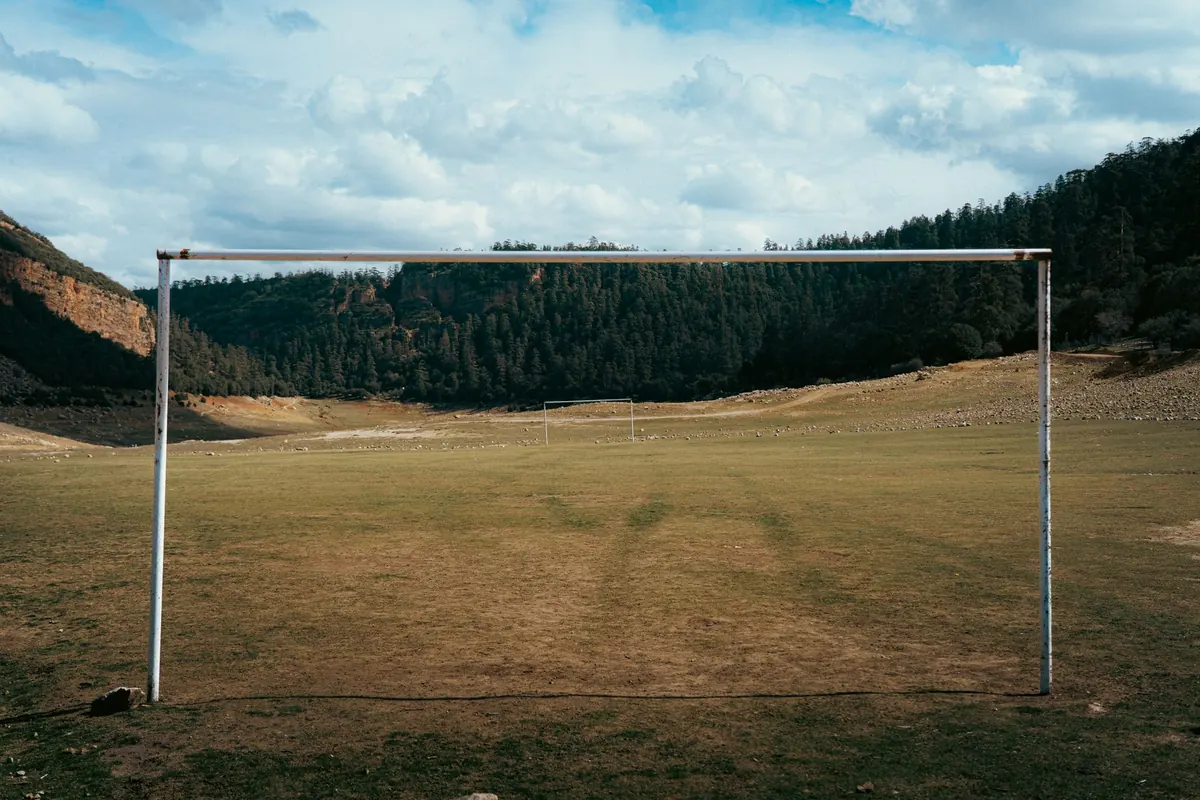
Saturday in the Shire offers two very different afternoons. One is ninety minutes of noise, scarf-twirling and a referee who cannot win. The other is eighty minutes of collisions, tactical kicking and a clubhouse that stays open long after the final whistle. Both can become a habit. The question is which one fits your week, your budget and the people you want to stand beside.
The First Match: What You Notice First
At a local football ground, you might be close enough to hear the goalkeeper shout at his back four. The crowd reacts to every pass, every tackle, every misplaced cross. Songs start in small pockets and either catch or die. The clock runs, the tension builds, and when the board goes up for stoppage time, nobody sits down.
At a rugby club, the noise has a different shape. There are pauses for scrums, lineouts and kicks at goal. Supporters often go quiet when a kicker lines up, then erupt when the ball sails between the posts. The players are close to the crowd, muddy and enormous, and you can hear the thud of a tackle from the touchline. The match is shorter on the clock, but the afternoon often feels longer because nobody rushes home.
Football: Rhythm and Release
Football is a game of flow. The ball moves from end to end, and the crowd's mood swings with it. If you like constant chatter, quick opinions and the feeling that one goal can change everything, football will hold you. Local football also gives you the chance to see young players, experienced pros and the occasional veteran who still knows where to stand.
Rugby: Pause and Pressure
Rugby is a game of phases. A scrum can look like a meeting, then explode into movement. A lineout can be a set piece, a mistake or a launching pad. If you enjoy watching a team build pressure over several minutes, and you do not mind asking the person next to you what just happened, rugby rewards attention.
The Cost of a Saturday Habit
Ticket prices vary widely between clubs, leagues and competitions. The only reliable way to compare is to check the official club website or ask at the gate. Still, the main costs are predictable:
- Entry: Pay-on-the-gate is common at local level, but advance tickets can be cheaper. Ask about concessions for students, seniors and children.
- Travel: Parking, bus fares or train tickets add up. If the ground is walkable, that is a real saving over a season.
- Food and drink: A programme, a pie, a tea and a pint are part of the ritual. They are also optional. Set a match-day budget and stick to it.
- Merchandise: A scarf or bobble hat is enough to feel part of things. You do not need a new shirt every year.
- Membership: Some rugby clubs offer annual membership that includes entry and clubhouse access. Some football clubs offer season tickets or monthly payment plans. Compare what each one actually includes.
If money is tight, ask. Many local clubs have community tickets, junior schemes or volunteer opportunities that include entry. They do not always advertise these, but the people on the gate usually know.
Community: Who You Will See Every Week
Football clubs often build their community around the first team. Supporters' groups organise away travel, junior teams wear the same colours, and the community trust runs sessions in schools. You can be as involved as you like, from buying a raffle ticket to helping run the supporters' club.
Rugby clubs often feel like a village within a village. Sunday morning minis, colts teams, old players leaning on the bar, and a clubhouse that hosts birthdays and quiz nights. The first team matters, but it is not the only thing happening. If you want a social club with a match attached, rugby may suit you. If you want a match with a social club attached, football may be the better fit.
Both rely on volunteers. If you want to make friends quickly, offer to help. Selling programmes, making tea, running the line or coaching minis will introduce you to more people in a month than a season of sitting alone.
Family, Friends and First Impressions
Local football and rugby are both family-friendly, but they are different environments. Football crowds can be louder and more tribal, especially at derbies. Rugby crowds often mix supporters and have a reputation for good-natured banter, though that is not guaranteed everywhere. If you are bringing children, check the club's family area, toilet facilities and parking before you go. Ask whether there is a designated quiet zone or a place to sit away from the loudest singing.
For adults, the test is simpler. Do you want to stand, sing and shout? Football. Do you want to lean on a rail, talk between phases and stay for a drink? Rugby. Do you want to bring a grandparent and a six-year-old to the same game? Check both clubs and pick the one with the easiest access and the shortest walk from the car park.
How to Try Both Without Overcommitting
- Pick a low-stakes fixture. Avoid derbies and title deciders. A mid-table home game will give you a fair sense of the atmosphere.
- Buy the simplest ticket. Pay on the gate if you can. If not, buy online and check the concession rules.
- Arrive early. Watch the warm-ups. Find a seat or spot where you can see the whole pitch. That is more important than being close to the action.
- Talk to a steward or volunteer. Ask where the family area is, when the clubhouse opens and whether there is a supporters' group you can join.
- Stay after the final whistle. The best part of local sport happens in the bar or clubhouse. Listen to the post-match talk. Ask one question.
- Go again. One match tells you little. Try a different stand, a different kick-off time, or an away game if you want to see the travelling support.
- Decide by midwinter. By then the weather is bad and the novelty has worn off. If you still want to go, the club fits you.
A Practical Closing: Pick Your Saturday
Neither code is better. They are different habits. Football gives you ninety minutes of noise and a season of opinions. Rugby gives you eighty minutes of physical chess and a clubhouse that feels like a second living room. The right choice depends on your budget, your patience for weather, and whether you want to sing or chat.
Start with the club closest to your postcode. Local clubs need local people, and the shortest journey is the one you will actually make in February. Buy a ticket, stand where you can see, and stay for one drink. If you enjoy the afternoon, go back. If you do not, try the other code. The Shire has room for both.
Photo: Othmane Ettalbi / Pexels